When Signs and Symptoms Play Decoy
Few things drive me (and probably all pet parents!) crazier than vague, overlapping symptoms that you just aren’t able to put your finger on. If you’ve ever found yourself staring at your dog or cat and thinking, “something’s off… but what?” then you aren’t alone, because I’ve been there too. Chronic loose stools, vomiting, skin flares, lip-licking, gurgly stomachs, random appetite changes—these can all point to something, but figuring out what that “something” is can feel like trying to solve a mystery without the whole gang present or any Scooby Snacks.
The challenge? Many different conditions look similar on the outside. Increased gut permeability (leaky gut), exocrine pancreatic insufficiency (EPI), small intestinal bacterial overgrowth (SIBO), GERD, and even stress-related GI upset can share the same vague symptoms. My hound mix had recurrent GI issues for years and his bloodwork never illuminated a concrete diagnosis, which was beyond frustrating. Plus, frequent visits for labs becomes expensive and can lead to negative associations with the vet’s office.
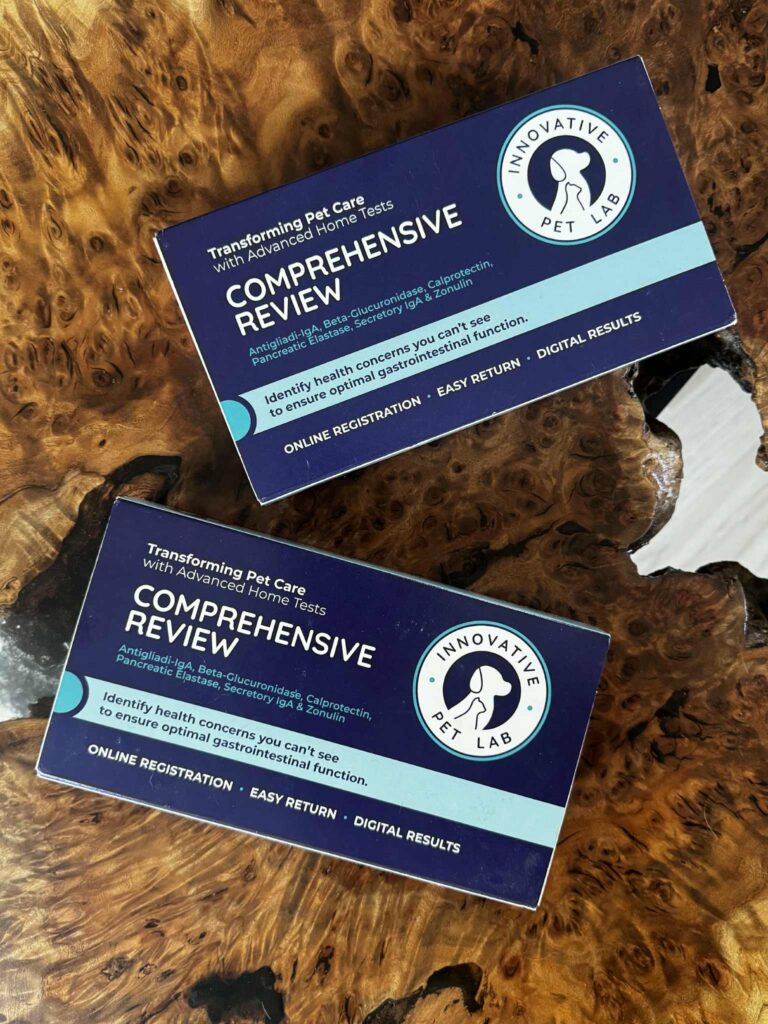
So what can you do? I’m a big fan of empowering pet parents, and putting the tools to enhancing their pet’s health back into their own hands. This is why I’ve personally used and now recommend Innovative Pet Lab at-home stool testing. IPL’s tests can help take your pet’s symptoms out of “mystery mode” and into more confident territory without frequent vet visits, invasive scopes or endless rounds of labs.
How to Get the Scoop (Literally) Through Stool Testing
First, it’s important to make it clear that IPL’s tests are not diagnostic in the traditional sense; they won’t hand you a report that says “your dog has leaky gut”. Instead, they measure specific markers that help paint a picture of gut function, inflammation level, immune activity, digestion efficiency, detox capability, and even stress levels. This snapshot can help guide next steps such as dietary changes, supplement choices, or even cement the decision to work with a holistic pet practitioner.
But why even look deeper, can’t we just treat the symptoms and be happy if they get better? Well, we know that upward of 80% of the immune system is rooted in the gut, which means whatever is happening in the gut can have ripple effects on overall immunity, skin health, autoimmune conditions, acute infections and more. The gut and brain are also connected through the vagus nerve (often called the gut-brain axis), so inflammation in the GI tract can influence how your fur family member feels, sleeps, and reacts to stress. So no, we definitely don’t want to just slap a band aid over a symptom and continue on our merry way.
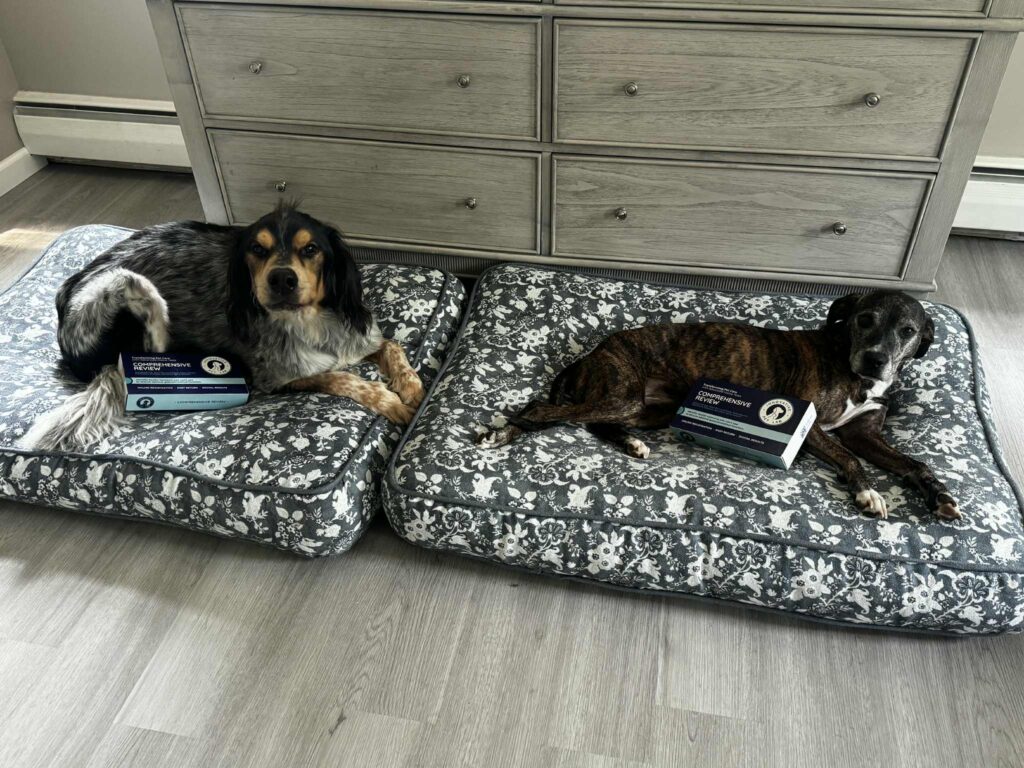
Here’s a breakdown of the tests IPL offers, which come separately or in the Comprehensive Gut Check:
1. Calprotectin — The Inflammation Signal
- What it measures: A protein released by white blood cells (neutrophils) when there’s inflammation in the gut lining.
- Why it matters: Elevated levels could mean there’s an inflammatory process going on, even before severe symptoms show up.
- Holistic interventions: You can often reduce low-to-moderate inflammation with targeted diet changes, gut-soothing herbs, and anti-inflammatory supplements without jumping to steroids or antibiotics.
- Best for: Chronic diarrhea, unexplained weight loss, monitoring inflammatory flare-ups over time.
2. Secretory IgA — First-Line Immune Defense
- What it measures: An antibody (immunoglobulin A) secreted along the gut lining to protect against pathogens and maintain balance with beneficial bacteria.
- Why it matters:
- High: Your pet’s gut immune system is actively responding to something that could be food, a parasite, or a pathogen.
- Low: The gut lining may be “tired” or depleted, leaving your pet more vulnerable.
- Holistic interventions: Low IgA may benefit from immune-supportive supplements like bovine immunoglobulin, Saccharomyces boulardii, or targeted probiotics, while high levels suggest a need to root out the underlying trigger.
- Best for: Chronic GI upset, recurring infections, suspected food sensitivities.
3. Elastase — Digestion Capacity
- What it measures: A pancreatic enzyme needed to break down proteins.
- Why it matters: Low elastase suggests poor digestion, which can lead to nutrient deficiencies, weight loss, and, ironically, gut imbalances (because undigested food feeds the “wrong” bacteria).
- Holistic interventions: Adding digestive enzymes, gently cooking food, or shifting to a more digestible, less-processed diet can help.
- Best for: Senior pets, unexplained weight loss, “mystery” nutrient deficiencies, and dogs with a history of recurrent or chronic pancreatitis.
4. Beta-Glucuronidase — Detox & Microbiome Balance
- What it measures: An enzyme produced by both the body and by gut microbes.
- Why it matters: High levels can indicate dysbiosis (microbial imbalance) and can interfere with your pet’s ability to excrete toxins and excess hormones.
- Holistic interventions: Support detox pathways and regular bowel movements with fiber, polyphenol-rich foods, and gut-balancing probiotics.
- Best for: Pets exposed to environmental toxins, those with cancer, chronic skin, GI or ear issues.
5. Zonulin — The Leaky Gut Marker
- What it measures: A protein that regulates the tight junctions between intestinal cells.
- Why it matters: Elevated zonulin can indicate increased intestinal permeability (aka “leaky gut”), allowing particles that shouldn’t cross into the bloodstream to slip through and trigger immune responses.
- Holistic interventions: Support repair with gut strengthening herbs, foods that build glutamine (see my blog on glutamine), and an anti-inflammatory diet free of processed or feed-grade quality food.
- Best for: Chronic allergies, autoimmune tendencies, persistent GI sensitivity.
6. Fecal Anti-Gliadin — Gluten Sensitivity Snapshot
- What it measures: Immune reactivity to gliadin (a component of gluten) in the gut.
- Why it matters: This isn’t a celiac test, it’s about whether gluten is irritating the gut lining.
- Holistic interventions: Sometimes gluten reactivity improves once gut inflammation is reduced, but overall eliminating it from the diet, especially in America where most gluten products have been contaminated with glyphosate, is the best choice.
- Best for: Pets with chronic inflammatory symptoms, suspected food sensitivities, and hypothyroidism or thyroiditis.
7. Stool Cortisol — The Stress Test
- What it measures: Average cortisol output over several days.
- Why it matters: Chronic stress can weaken immunity, disrupt digestion, and worsen inflammation.
- Holistic interventions: Identifying high stress levels can guide environmental changes, calming supplements, and natural behavioral support.
- Best for: Anxiety-prone pets, GI flare-ups that seem to be tied to stress, newly adopted rescues.
Here it is in chart form, because I love charts!
| Marker / Test | How It Works | What it Means |
|---|---|---|
| Calprotectin (Inflammation) | Signals gut inflammation when elevated | Helps detect underlying inflammation early—no anesthesia or scope required |
| Secretory IgA (Immunity) | Measures mucosal immune activity | Low IgA could mean a weakened barrier or depleted good bacteria, which high levels may mean an irritant or invader |
| Elastase (Digestion) | Reflects pancreatic enzyme production | Low levels may suggest sub-optimal digestion, so digestive enzymes or diet shift could reignite absorption |
| Beta-Glucuronidase (Detox + Dysbiosis) | High levels from gut microbes mean imbalance and slowed toxin elimination | There may be SIBO or microbial dysbiosis present that could increase the risk of illness or malignancy |
| Zonulin (Leaky Gut) | Elevated zonulin loosens gut tight junctions | Sign of permeability- leaky gut should be suspected especially if you see allergies/skin/gut issues |
| Anti-Gliadin (Gluten Response) | Indicates local immune reaction to gluten | Not celiac, but a gut-level response to gluten which may mean other areas of the body are affected (especially thyroid!) |
| Stool Cortisol (Stress Test) | Averages internal stress levels over a short period of time | Useful to uncover sneaky stress impacting digestion and behavior because a calmer gut means a calmer pet |
Bear’s Story
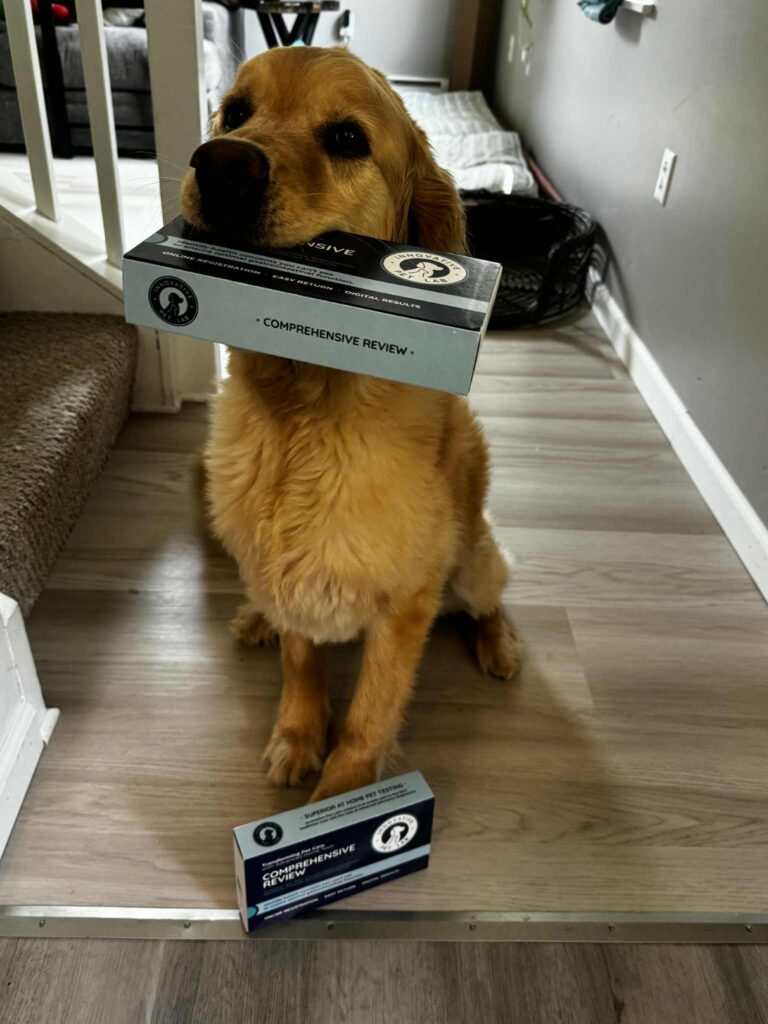
My Golden Retriever, Bear, suffered from allergy-type symptoms from the age of 1 until I got them under control at 4. He would lick and chew his paws raw, had hyperkeratosis and fur staining, hot spots, recurrent ear infections, itching and watery eyes. His quality of life was negatively impacted by this, and he eventually ended up on Cytopoint shots to stop the symptoms. This was long before our transition to the holistic realm, when he ate kibble, got conventional pest chemicals, was exposed to wallflower fragrances and irritating shampoos, and was overall a toxic miasma inside and out. So it was no wonder that his Cytopoint injections worked for less time and less effectively with each round.
Once I realized that there had to be a better way than just suppressing symptoms, and I transformed my mindset to a natural approach to health, I decided to reach for IPL testing to check his gut health. We did the comprehensive test, and I am incredibly grateful that I did this, because not only was his zonulin level elevated (suggesting leaky gut), he also had a low secretory IgA. This suggested that he had immune suppression as well as leaky gut, which could increase his risk for development of cancers and autoimmune conditions in addition to the food sensitivities and environmental allergies he was already suffering from.
With these diagnostic results paired to his symptoms and his history, I was able to make dietary changes (raw food, balanced over time), support his immune system (using VITALITY mushroom tincture and EASE full spectrum hemp extract from CBD Dog Health) and remove toxins from his diet, skin and environment. We stopped the Cytopoint that was suppressing his immune system and used supplements that tighten those intestinal cellular junctions like ION Gut Support. Not long after instituting these changes, I watched Bear slowly transform before my eyes from a dog who couldn’t walk on grass without chewing his paws raw afterward to romping through the woods and swimming in the creek with no itching to be seen. He also was able to start enjoying fresh, raw chicken when previously chicken in kibble would give him explosive diarrhea.
My takeaway? When at-home diagnostic testing like this is paired with the history and symptoms of the dog or cat in front of you, it can go a long way toward determining the underlying cause of whatever health issue your furry family member is suffering from. This is why I recommend IPL‘s testing when very few companies or products make the cut, even in the holistic pet space.
Holistic Gut Health Harmony
Now you know that symptoms like diarrhea, vomiting, lip-licking, and skin issues can mean any number of different underlying issues, and without testing, you might spend a lot of money and months switching foods, trying supplements, and running standard vet tests- only to still not know what’s wrong.
For example:
- Dog A has diarrhea + marker suggesting poor digestion (low elastase).
- Dog B has diarrhea + marker suggesting leaky gut (high zonulin).
Both have the same symptom… but they need completely different support strategies.
IPL‘s testing helps you start in the right place by giving you a functional, detailed view of your pet’s gut health. More information means more targeted choices for restoring health and harmony in the gut, whether that’s tweaking the diet, adding holistic supplements, or knowing when to escalate to more advanced diagnostics.
Your pet’s gut has a lot to say. IPL can help you hear it loud and clear.